
The End of Romantic Illusions
The HollowThis flow traces how the characters abandon inherited fantasies of perfect love, secure homes, and predetermined futures.
increasing Bearing strength in each event
 decreasing
Bearing strength in each eventdecreasingThe Perfect Past
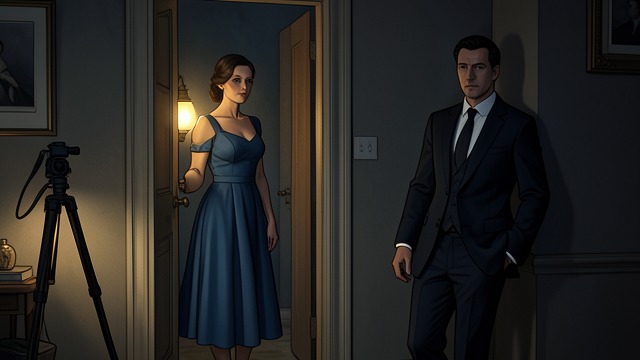
Ainswick Remembered
Childhood Ideal
Henrietta and Edward remember Ainswick as pure happiness. Their memory creates an image of life before disappointment.
Impossible Return
Henrietta knows that the past cannot be reentered. The ideal remains beautiful precisely because it is no longer available.
The Perfect Husband
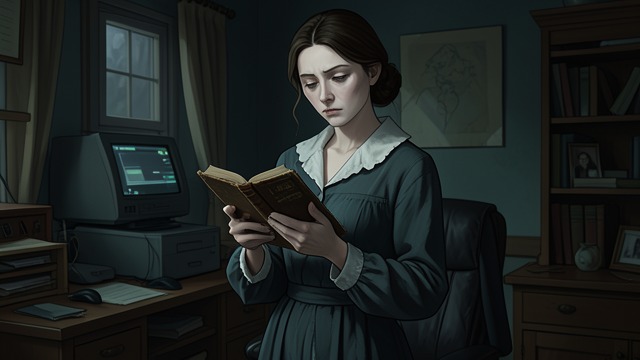
Gerda's Illusion
Moral Certainty
Gerda believes John's goodness is complete and unquestionable. Her emotional security depends on this fantasy.
Fragility
The ideal cannot accommodate infidelity or selfishness. When it breaks, it produces not adjustment but annihilating rage.
The Perfect Passion
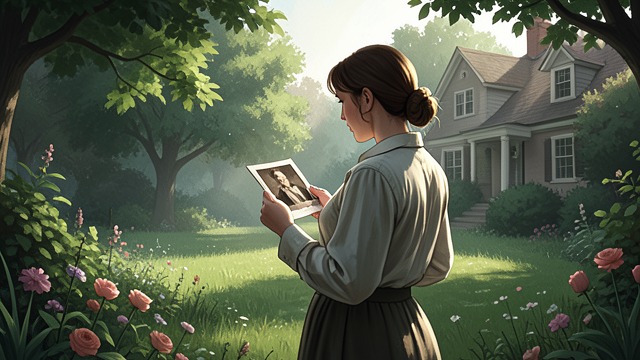
Veronica's Return
Romantic Myth
Veronica treats fifteen years of separation as proof that her bond with John remains absolute. She imagines desire can suspend time.
Present Reality
John's rejection exposes the difference between remembered passion and current choice. The past survives only as a story she tells herself.
The Perfect Rescue
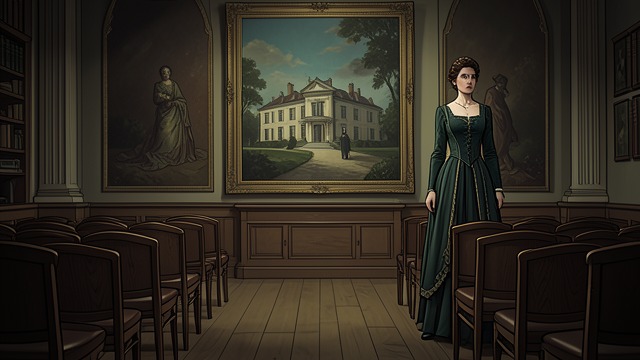
Ainswick as Solution
Midge's Dream
Midge briefly believes marriage to Edward can deliver her into the ideal world of Ainswick. Edward believes the estate can compensate for his emotional shortcomings.
Failure of Substitution
The dream collapses when Midge recognizes Henrietta's continuing presence. A house cannot repair a love that has not been honestly chosen.
Living Without Illusion
The Harder Future
Henrietta's Acceptance
Henrietta accepts that John is gone and that her own grief will be incomplete. She does not pretend that art or duty will restore him.
Continuation
She chooses St. Christopher's Hospital and the living work connected to John. Survival begins when illusion gives way to responsibility.
Saturday afternoon
Saturday afternoon
Saturday night
Monday afternoon
Final chapter
